Marketing Historical Landmarks in Istanbul: Preserving the Past, Attracting the Present
Category : |
Sub Category : Posted on 2024-01-30 21:24:53
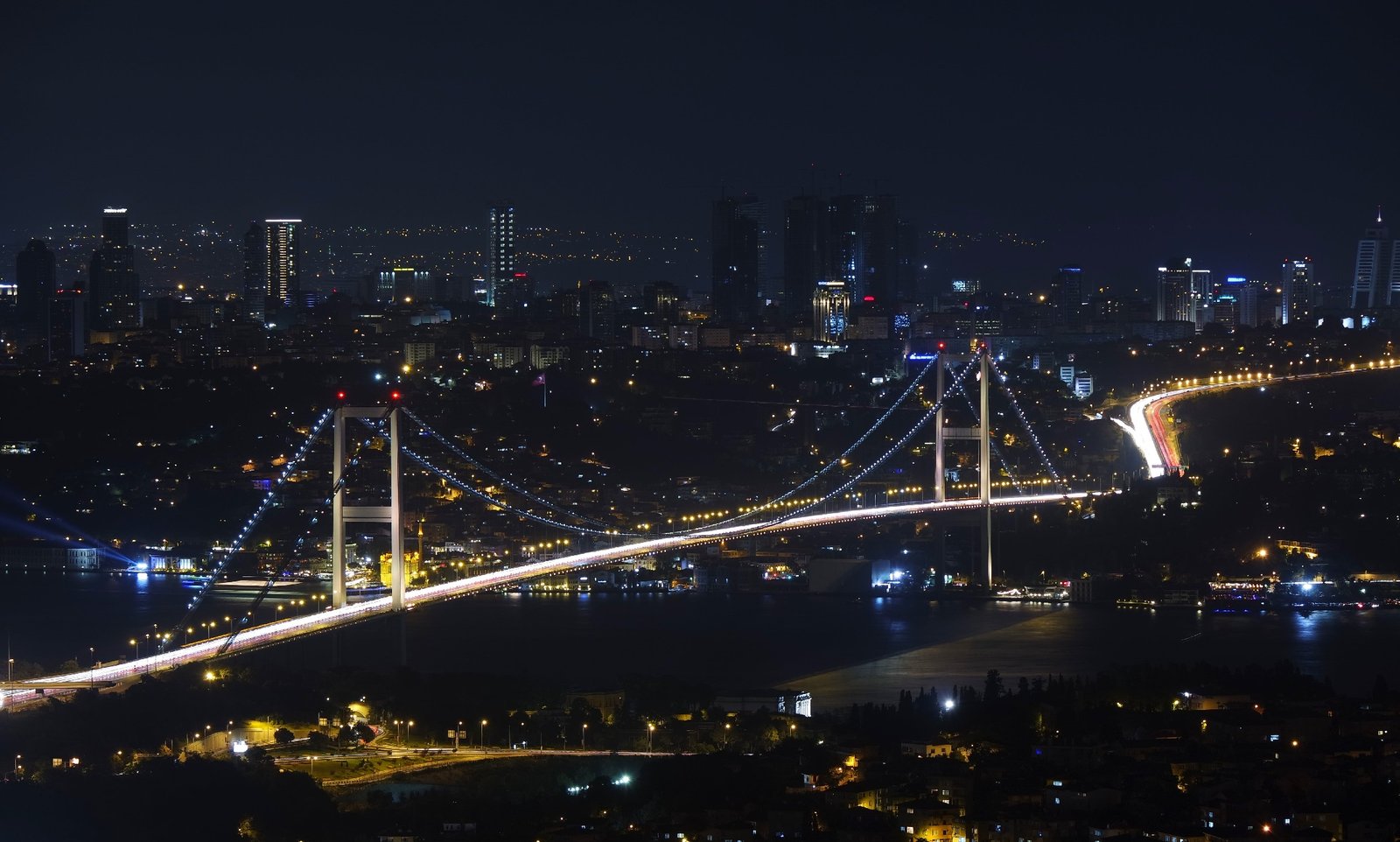
Introduction: Istanbul, the captivating city situated at the crossroads of Europe and Asia, is a treasure trove of historical landmarks that have shaped the course of human history for centuries. From the majestic Hagia Sophia to the magnificent Topkapi Palace, Istanbul boasts an array of cultural and architectural wonders that attract millions of tourists each year. In this blog post, we will explore effective marketing strategies to promote and preserve these historical landmarks in Istanbul, ensuring their legacy lives on for generations to come.
1. Aligning with Cultural Tourism: Cultural tourism has gained popularity worldwide, drawing visitors who seek immersive experiences and a deeper connection with local heritage. For marketing historical landmarks in Istanbul, it is crucial to showcase the rich history, unique architectural features, and cultural significance of these sites. Collaborating with local tour operators, offering specialized guided tours, and creating interactive exhibits will engage tourists and provide a more meaningful experience.
2. Utilizing Digital Marketing: In today's digital age, online presence is essential for promoting historical landmarks. Creating a visually stunning website with dedicated pages for each landmark is an excellent way to showcase their grandeur and historical significance. Utilize social media platforms such as Instagram and Facebook to share captivating images, interesting historical facts, and behind-the-scenes content, fostering a sense of excitement and curiosity among potential visitors.
3. Collaborations and Partnerships: Collaborating with travel bloggers, influencers, and content creators can significantly boost the visibility of historical landmarks in Istanbul. Encourage bloggers to write about their experiences, share photos and videos, and provide first-hand accounts of visiting these landmarks. Partnerships with hotels, airlines, and travel agencies can help create attractive tourist packages that highlight the historical importance of each site, further enticing travelers to visit.
4. Community Involvement and Education: Preserving historical landmarks goes beyond mere marketing. Engaging the local community and educational institutions is crucial for raising awareness about the importance of these sites. Organize workshops, lectures, and exhibitions that educate residents and students about the historical and cultural significance of their surroundings. Foster a sense of pride among locals, encouraging them to become ambassadors for promoting these landmarks within their own networks.
5. Enhancing Accessibility and Visitor Experience: Taking steps to improve accessibility and visitor experience is vital for sustainable tourism. Invest in infrastructure improvements, including well-maintained entrance areas, clean facilities, and clear signage. Offer multilingual audio guides or mobile apps to provide detailed information about each landmark, catering to the diverse needs of international visitors. Creating visitor-centric experiences will not only enhance satisfaction but also encourage positive word-of-mouth recommendations.
Conclusion: Marketing historical landmarks in Istanbul requires a strategic approach that showcases their rich heritage while cateri
ng to the interests and needs of today's travelers. By aligning with cultural tourism, leveraging digital marketing, forging collaborations, and involving the community, these magnificent sites can be effectively promoted, ensuring their preservation and attracting tourists from around the world. Let us join hands in preserving Istanbul's historical treasures, securing their place in the hearts and minds of future generations. For an alternative viewpoint, explore http://www.tinyfed.com
also for More in http://www.droope.org


