Exploring Indian Business at Historical Landmarks in Istanbul
Category : |
Sub Category : Posted on 2024-01-30 21:24:53
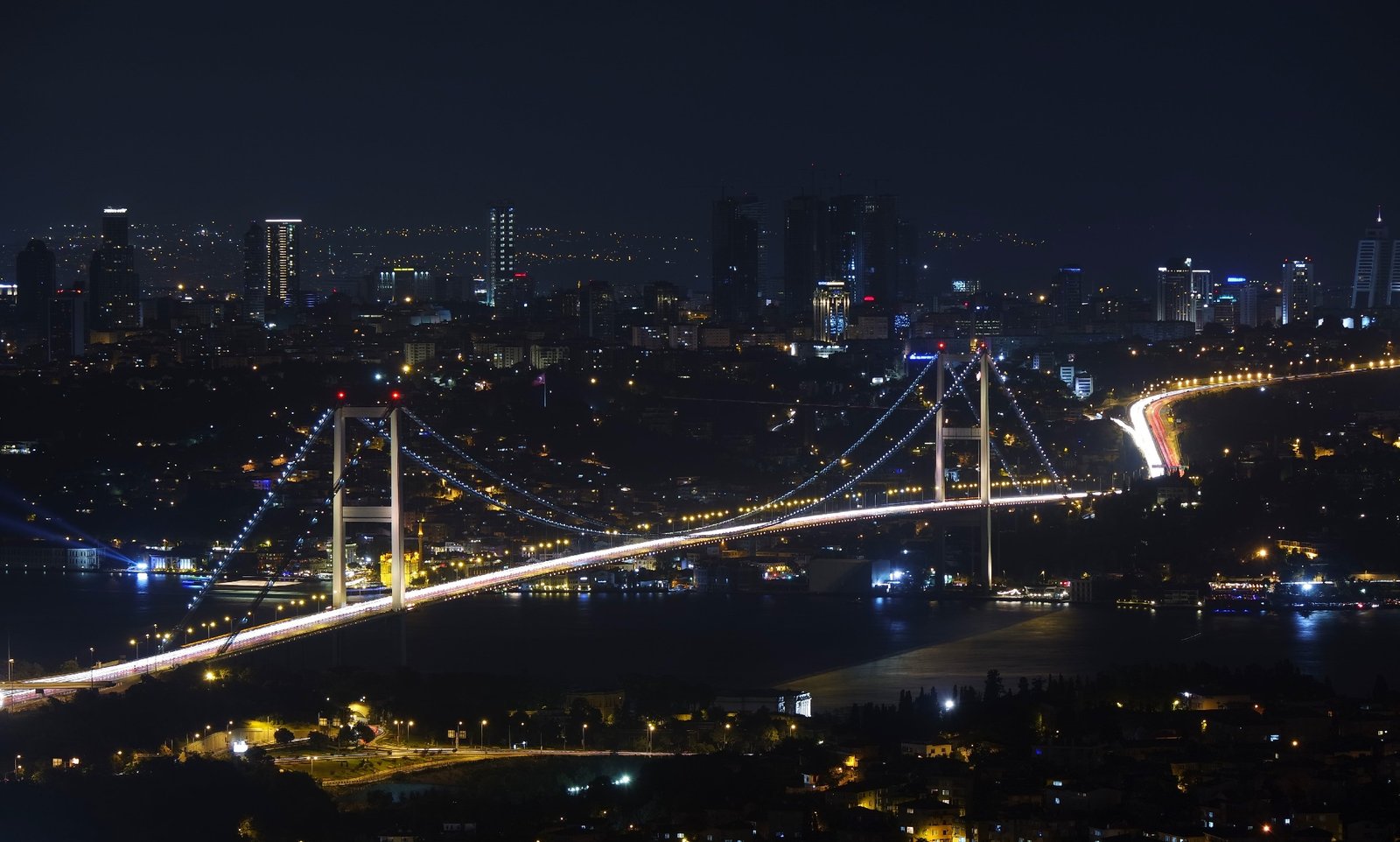
Introduction: Istanbul, the vibrant and diverse capital of Turkey, is renowned for its rich history and deep cultural heritage. Over the centuries, this majestic city served as a bridge between East and West, attracting traders, merchants, and entrepreneurs from all corners of the world. Among these international influences, Indian business played a significant role in shaping Istanbul's economic landscape. In this blog post, we will delve into some of the historical landmarks in Istanbul that bear testament to the strong connections between Indian business and the city.
1. The Grand Bazaar: One of the most iconic and legendary bazaars in the world, the Grand Bazaar, offers a glimpse into Istanbul's enchanting past. Within its vibrant corridors and bustling lanes, Indian merchants have long found their place. Delve into the intricate and colorful Indian textiles, mesmerizing jewelry, and exotic spices that have been trading hands for centuries. The Grand Bazaar is a testament to the Indo-Ottoman trade relationships that flourished, showcasing the fusion of cultures and the impact of Indian business.
2. Spice Bazaar (Egyptian Bazaar): Situated in Istanbul's Eminönü district, the Spice Bazaar, also known as the Egyptian Bazaar, is a sight to behold. Here, the aromas of spices, teas, and Turkish delights fill the air, offering a sensory experience unlike any other. Indian spices have played a vital role in the market's offerings since its inception. The distinct flavors and vibrant colors of Indian spices enchanted visitors and locals alike, leading to the establishment of long-lasting Indian business ties.
3. Süleymaniye Mosque: A stunning architectural masterpiece, the Süleymaniye Mosque stands as a testament to the magnificence of Ottoman Istanbul. Built during the reign of Sultan Suleiman the Magnificent, this grand structure owes its existence, in part, to Indian business. The construction and decoration of the mosque were funded by Sultan Suleiman's successful trade agreements with India. The intricate design elements, including the use of precious stones and fine craftsmanship, showcase the opulence that resulted from the Indo-Ottoman economic exchange.
4. The Golden Horn: As you stroll along the shores of the Golden Horn, a natural harbor that divides Istanbul into its historic districts, you can envision the bustling trade that once took place on these shores. Indian merchants sailed their goods along this route, bringing the riches of India to the shores of Istanbul. The Golden Horn remains a reminder of the strategic trade routes that connected India and Istanbul, fostering prosperous Indian business ventures along the way.
Conclusion: The historical landmarks in Istanbul bear witness to the enduring connection between Indian business and the city. From the bustling Grand Bazaar to the fragrant Spice Bazaar, these sites provide a glimpse into the past and serve as a reminder of the significant cultural and economic exchanges that took place between India and Istanbul. Exploring these landmarks allows us to appreciate the rich tapestry of history and the indelible impact of Indian business on the vibrant landscape of Istanbul. To gain a holistic understanding, refer to http://www.indiatokorea.com


