Exploring Cyprus: Historical Landmarks in Istanbul
Category : |
Sub Category : Posted on 2024-01-30 21:24:53
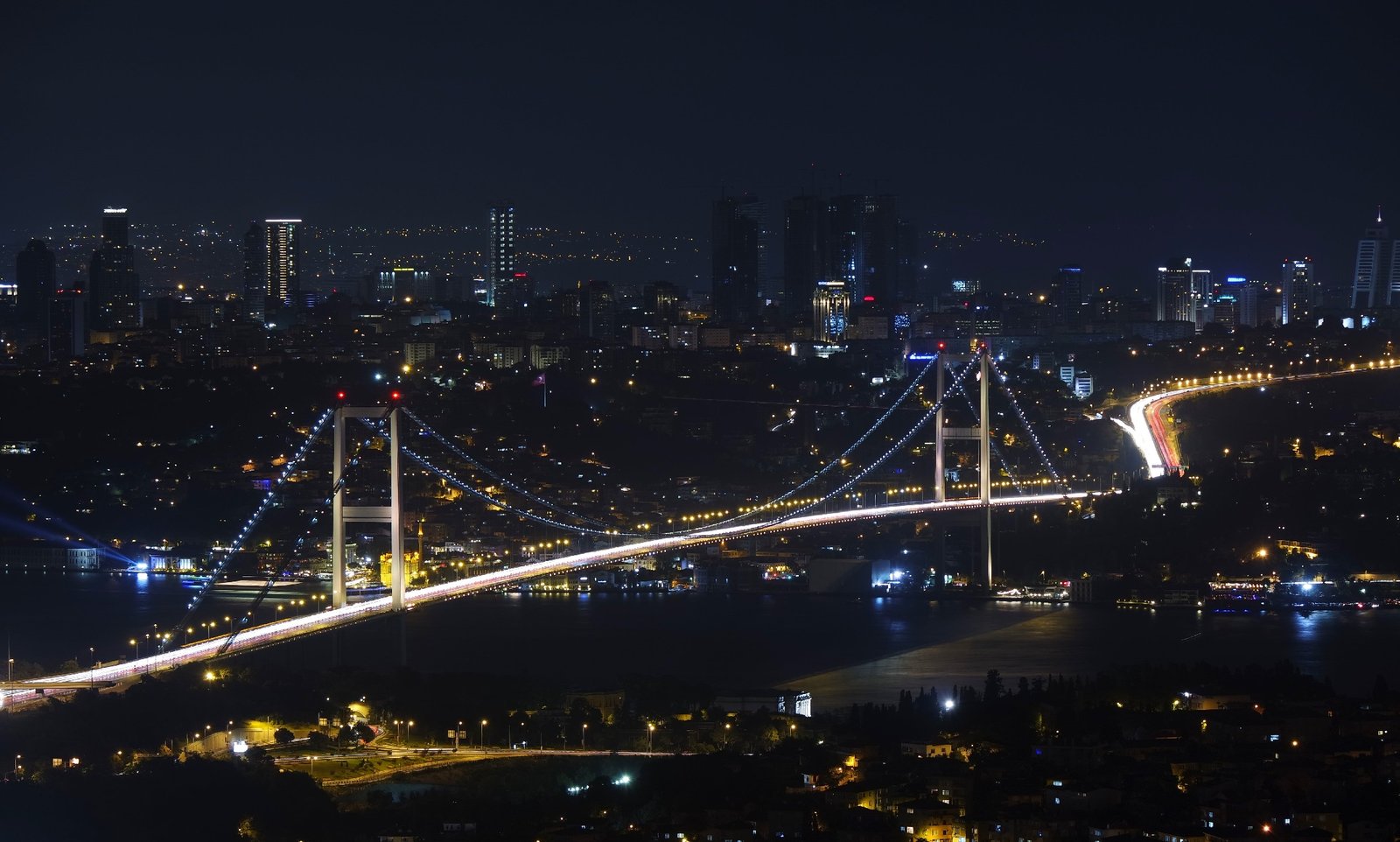
Introduction:
Istanbul, a vibrant city straddling two continents, boasts a rich historical past influenced by various civilizations. One such influence is that of Cyprus, an island located in the Eastern Mediterranean. This blog post will take you on a journey to discover the historical landmarks in Istanbul that have connections to Cyprus, allowing you to step back in time and unravel the fascinating stories that link these two fascinating destinations.
1. Hagia Sophia:
Our first stop on this historical adventure is the iconic Hagia Sophia. Originally built as a Byzantine basilica in the 6th century, it later served as an imperial mosque during the Ottoman era. Interestingly, during the Lusignan period in Cyprus (1192-1489), the Cypriot King Peter I of Cyprus (also known as Peter de Lusignan) negotiated the transfer of the most venerated relic of Christianity, the Crown of Thorns, from Baldwin II, the Latin Emperor of Constantinople, to Cyprus. This relic was later housed in Hagia Sophia in Istanbul, adding a significant historical connection between Cyprus and Istanbul.
2. Topkapi Palace:
Continuing our journey, we arrive at the opulent Topkapi Palace, once the seat of power for the Ottoman sultans. During the Ottoman rule of Cyprus from 1571 to 1878, the palace served as the administrative center for the island. Many of the decisions regarding Cyprus were made within its grand walls, leaving a lasting imprint on the history of both Cyprus and Istanbul.
3. Galata Tower:
Venturing across the Golden Horn, we reach the Galata Tower, a landmark that offers panoramic views of Istanbul's skyline. This medieval stone tower has a lesser-known connection to Cyprus. During the Venetian rule of Cyprus (1489-1571), the Galata Tower was utilized as an observation post for monitoring ships entering and leaving the Golden Horn, including those heading to or from Cyprus. The tower served as a strategic location to ensure the security and prosperity of the island during this period.
4. Rumeli Fortress:
Next on our list is the impressive Rumeli Fortress, which stands proudly on the European side of the Bosphorus strait. Constructed in the 15th century by Sultan Mehmed II, the conqueror of Constantinople, the fortress played a crucial role in the Siege of Constantinople. Its connection to Cyprus lies in the fact that the fortress was also used as a base for the Ottoman navy, which controlled maritime trade routes, including those linking Istanbul to Cyprus. This ensured the flow of goods and communication between the two regions.
Conclusion:
As we conclude our exploration of historical landmarks in Istanbul with connections to Cyprus, we are reminded of the deep and intertwined history that exists between these two fascinating destinations. From religious relics shared between Hagia Sophia and Cyprus to the administrative decisions made in Topkapi Palace concerning the island, the historical connections are abundant. The Galata Tower and Rumeli Fortress further exemplify the strategic links and trade routes that played a role in the relationship between Istanbul and Cyprus. By delving into these historical landmarks, we gain a deeper understanding of the shared heritage that binds these two remarkable places together. If you are interested you can check http://www.cyprusinsider.com


