Unveiling the Turbulent Tapestry: Conflicts in History Surrounding Istanbul's Historical Landmarks
Category : |
Sub Category : Posted on 2024-01-30 21:24:53
Introduction:
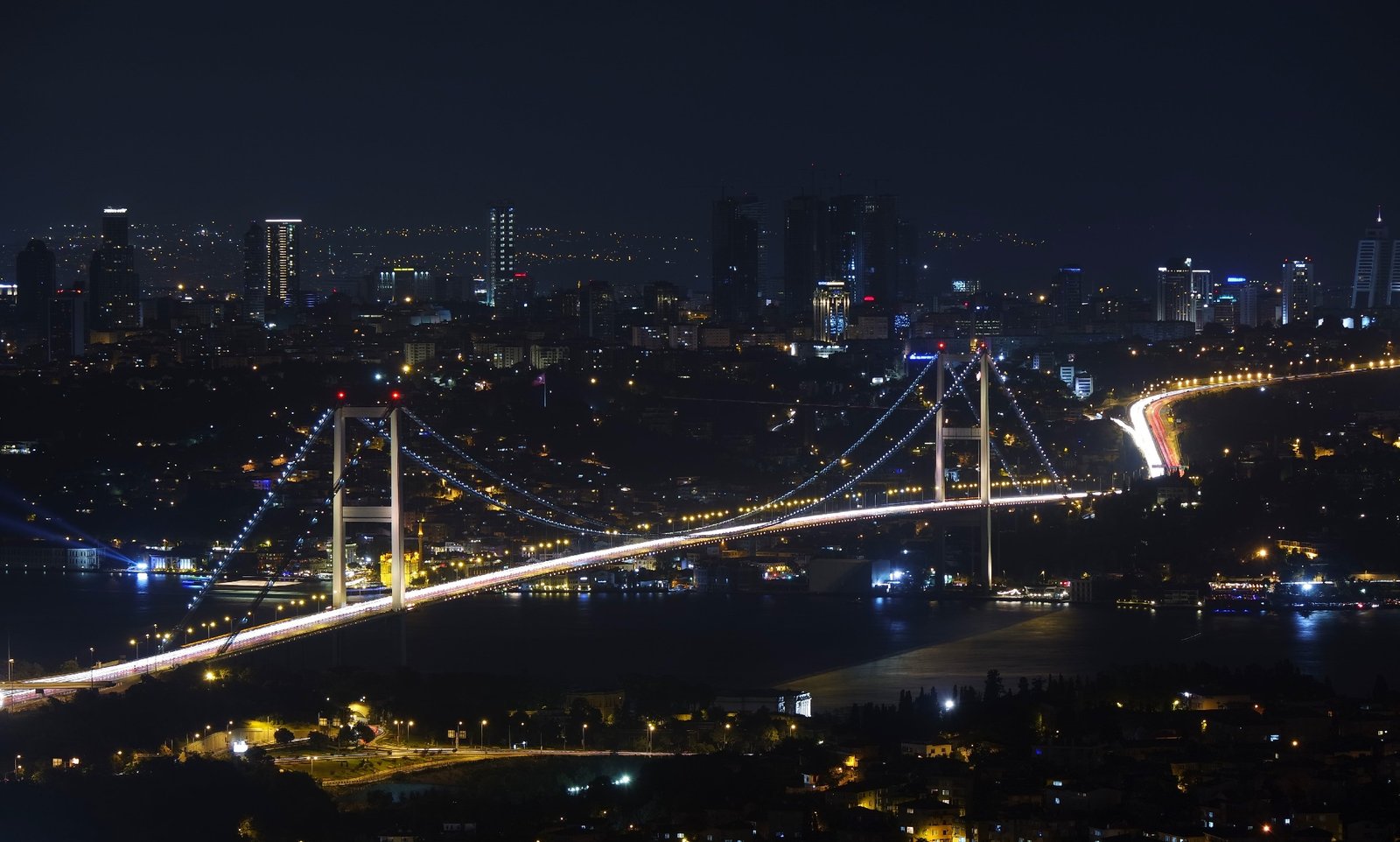
Istanbul, the vibrant city straddling two continents, is a living testament to the highs and lows of human history. Its captivating skyline boasts a myriad of illustrious historical landmarks that have borne witness to countless conflicts throughout the ages. From ancient battles to modern clashes, Istanbul's historical landmarks stand as silent testaments to the turbulent tapestry of its past.
1. The Hagia Sophia: The Symbol of Conquest and Conversion
The Hagia Sophia, an architectural marvel that has stood tall for over 1,500 years, is an embodiment of Istanbul's historical conflicts. Originally built as a Christian basilica, it became a symbol of conquest when the Ottomans captured the city in 1453. The building was converted into a mosque, with its intricate Christian mosaics covered with Islamic calligraphy. Today, it stands as a museum, reflecting the layered history of Istanbul's religious clashes and cultural assimilation.
2. Topkapi Palace: Tales of Power Struggles and Intrigues
Topkapi Palace, once the residence of Ottoman Sultans, conceals fascinating stories of power struggles and intrigues. Serving as the administrative and ceremonial heart of the Ottoman Empire, it was a battleground for political conflicts. Behind its opulent facade lies the history of courtly rivalries, harem intrigues, and the changing patterns of power that shaped Istanbul's past.
3. The Galata Tower: A Watchtower and Battleground
The iconic Galata Tower, rising above Istanbul's skyline, has played multiple roles throughout history. Originally constructed as a watchtower by the Genoese in the 14th century, it later became a military stronghold during the Ottoman era. It withstood various sieges and bombardments. Today, the tower stands as a tourist attraction, offering panoramic views of Istanbul and serving as a reminder of the city's turbulent past.
4. The Walls of Constantinople: Defending Against Invaders
The Walls of Constantinople, a series of fortifications that once guarded the city, speak volumes about Istanbul's challenging history. These formidable walls played a crucial role in protecting the Byzantine capital against invasions throughout the centuries. However, they were breached during the Fourth Crusade in 1204 and again during the Ottoman conquest in 1453, marking significant turning points in Istanbul's history.
5. The Dolmabahce Palace: A Reflection of Changing Times
Dolmabahce Palace, an exquisite blend of rococo, baroque, and neoclassical architectural styles, stands as a testament to Istanbul's transformation during the late Ottoman period. Built in the mid-19th century, it symbolizes the shift in power dynamics, marked by the declining influence of the sultans and the rise of European-inspired modernization efforts. The palace witnessed the birth of a new era and the conflicts between traditional and progressive forces.
Conclusion:
Istanbul's historical landmarks bear the scars and echoes of the conflicts that have shaped its vibrant and diverse history. From religious battles to political power struggles, these landmarks are not just architectural wonders but also repositories of tales from a tumultuous past. As visitors explore Istanbul and gaze upon its historical landmarks, they gain a deeper appreciation for the city's resilience, cultural Mosaic, and the continuous evolution that has characterized Istanbul through the ages. You can also check following website for more information about this subject: http://www.bitka.org


