Discovering China's Historical Landmarks in Istanbul
Category : |
Sub Category : Posted on 2024-01-30 21:24:53
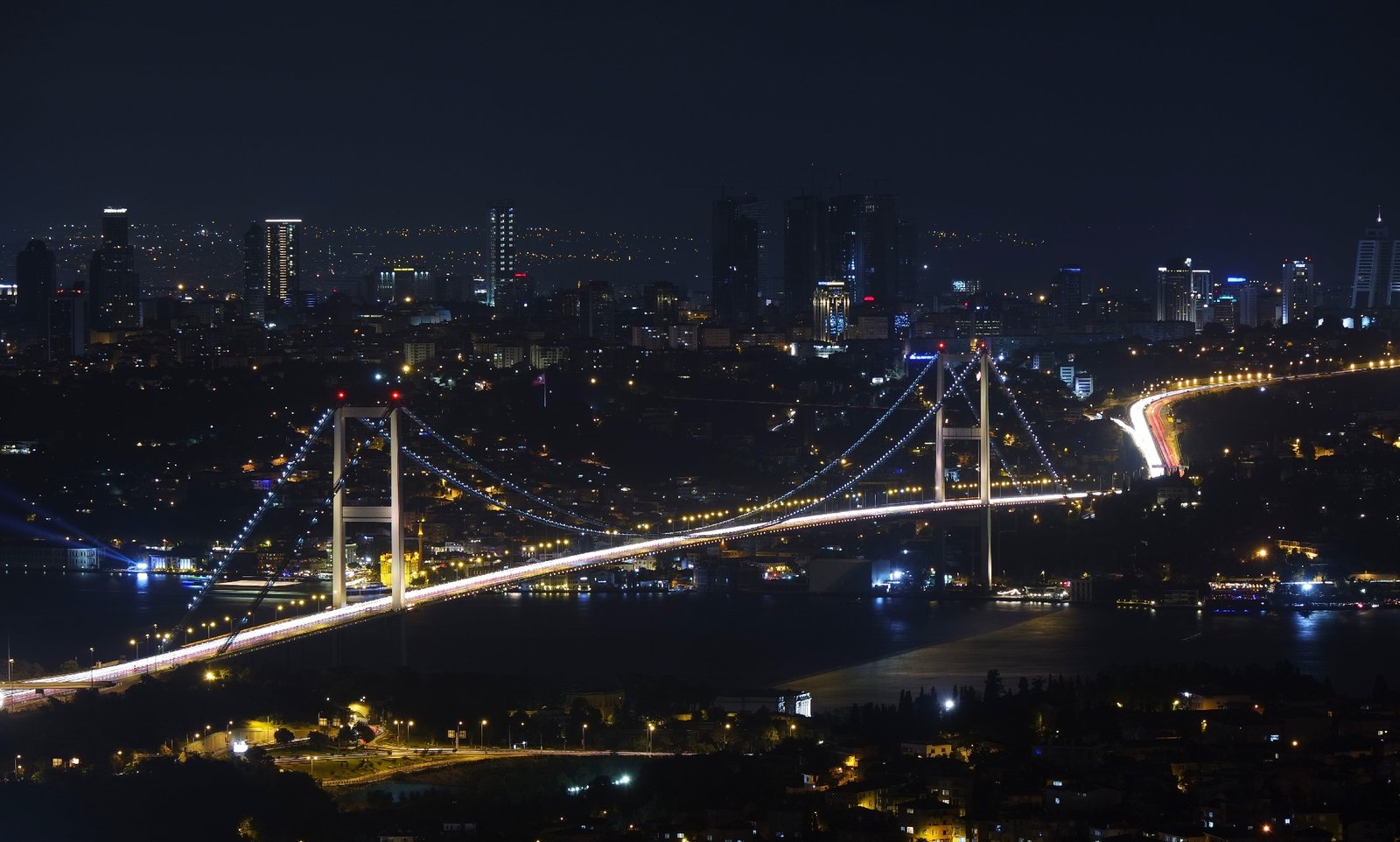
Introduction: Istanbul, the vibrant and culturally rich city located at the crossroads of Europe and Asia, is known for its splendid architecture, diverse history, and impressive landmarks. While exploring this magnificent city, you may be surprised to stumble upon some historical landmarks that offer a glimpse into China's rich heritage and influence. In this article, we will take you on a journey to discover the hidden Chinese gems sprinkled throughout Istanbul.
1. Yeni Camii (New Mosque): Located in the bustling Eminönü neighborhood, the Yeni Camii, meaning "New Mosque," is a breathtaking architectural marvel that combines Ottoman and Chinese influences. Built in the 17th century, this mosque showcases intricate porcelain tiles called "Iznik tiles" that were imported from China. These tiles depict beautiful Chinese motifs and patterns, adding a unique touch to the mosque's interior and exterior.
2. Topkapı Palace: A visit to Istanbul is incomplete without exploring the grandeur of Topkapı Palace. This iconic landmark served as the primary residence of Ottoman sultans for centuries. Inside the palace, you will find the renowned Chinese Pavilion, a gift from the Chinese Emperor to Sultan Mahmud II in the 19th century. The pavilion features Chinese-style architecture and exquisite Chinese furniture, showcasing the diplomatic relations between China and the Ottoman Empire.
3. Beylerbeyi Palace: Situated on the Asian side of Istanbul, Beylerbeyi Palace is another architectural gem infused with Chinese influences. Built in the 19th century, this palace was used as a summer residence for Ottoman sultans. As you explore the opulent rooms, you will come across Chinese porcelain details on the walls, Chinese-style wooden furniture, and beautifully crafted Chinese vases, emphasizing the strong Chinese cultural influence during that period.
4. Pekin Palas: Hidden in the heart of Istanbul's bustling BeyoÄlu district, the Pekin Palas stands as a historic testament to the Chinese influence in the city. Built in the early 20th century, this elegant building served as a hotel and was a popular meeting place for Istanbul's intellectual and artistic community. Pekin Palas showcases intriguing Chinese architectural elements, including ornate balconies, decorative facades, and traditional Chinese-inspired motifs.
5. Panagia Blachernae Church: Tucked away in the Fener district, the Panagia Blachernae Church is a remarkable Byzantine structure that holds a significant place in Istanbul's history. It is believed to have once housed the sacred relics of the Virgin Mary. What makes this church unique is the presence of Chinese-inspired blue and white porcelain tiles that adorn its interior. These tiles were imported from China and perfectly blend with the intricate Orthodox Christian frescoes.
Conclusion: As you explore the cultural and historical tapestry of Istanbul, keep your eyes open for these fascinating Chinese-inspired landmarks. From mosques adorned with Chinese porcelain tiles to palaces showcasing Chinese architecture and artwork, these hidden gems tell the story of the long-standing cultural connections between China and Istanbul. Whether you're a history enthusiast or simply seeking awe-inspiring sights, don't miss the opportunity to discover China's historical landmarks scattered within Istanbul's charming streets. also don't miss more information at http://www.soitsyou.com


