Exploring the Arab Historical Landmarks in Istanbul
Category : |
Sub Category : Posted on 2024-01-30 21:24:53
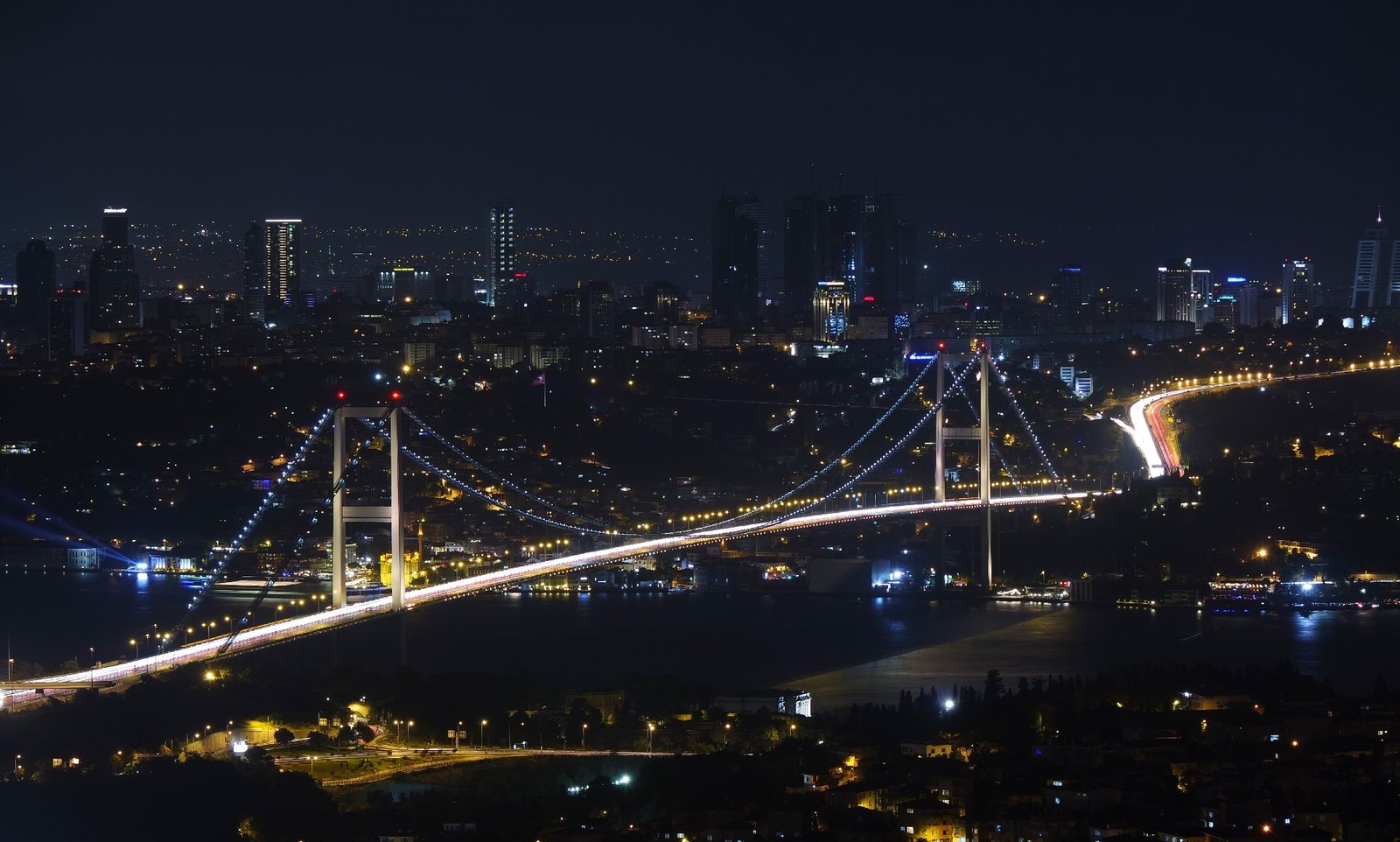
Introduction: Istanbul, the transcontinental city straddling Europe and Asia, is known for its rich history and diverse cultural heritage. While often associated with its Ottoman past, Istanbul also boasts a significant Arab influence that has left behind a wealth of historical landmarks. In this blog post, we will take you on a virtual tour of some of the most striking Arab historical landmarks in Istanbul.
1. Yenikapi Mevlevihanesi: Our first stop is Yenikapi Mevlevihanesi, a former dervish lodge located in the Fatih district of Istanbul. Constructed during the Ottoman period, this stunning architectural masterpiece features stunning Arabesque designs and intricate calligraphy on its walls. Once home to the whirling dervishes, visitors can now explore the beautifully adorned prayer hall and learn about the Mevlevi Sufi order.
2. Hagia Sophia: While not exclusively an Arab landmark, Hagia Sophia remains one of the most iconic historical sites in Istanbul that reflects the fusion of Arab, Byzantine, and Ottoman influences. Originally a church, this architectural marvel was converted into a mosque during the Ottoman era. Arabesque motifs adorn the interior, blending seamlessly with Byzantine mosaics and stunning Islamic calligraphy.
3. Rustem Pasha Mosque: Built by the famous Ottoman architect Mimar Sinan, the Rustem Pasha Mosque is known for its magnificent tile work, showcasing Arabesque patterns depicting floral and geometric designs. Located in the Eminonu district, this small but visually captivating mosque is often overlooked by tourists but is a hidden gem that should not be missed.
4. Egyptian Bazaar (Spice Bazaar): Take a stroll through the bustling Egyptian Bazaar, also known as the Spice Bazaar, and experience the vibrant Arab influence on Istanbul's culinary scene. This historic market, located in the Eminonu district, is a treasure trove of aromatic spices, traditional Turkish sweets, and handmade soaps. Explore the stalls and indulge in the scents and flavors of the Arab world.
5. Eyup Sultan Mosque: Situated in the Eyup district, the Eyup Sultan Mosque holds great importance for both the Arab and Turkish communities. Believed to be the resting place of Eyup Sultan, a close companion of the Islamic prophet Muhammad, this mosque draws pilgrims from all over the world. The Arab influence can be seen in its architectural style and the serene ambiance that surrounds it.
Conclusion: Istanbul is a city that bridges continents and cultures, and its Arab historical landmarks offer a fascinating glimpse into its diverse past. From the intricate designs of Yenikapi Mevlevihanesi to the vibrant atmosphere of the Egyptian Bazaar, these landmarks highlight the enduring Arab influence on Istanbul's architecture, spirituality, and cuisine. Whether you are a history enthusiast or simply seeking to immerse yourself in the city's vibrant cultural tapestry, exploring these Arab landmarks will surely leave you with a deeper appreciation for Istanbul's captivating heritage. Expand your knowledge by perusing http://www.onlinebanat.com


